
If you’ve been hearing more buzz about muscle-centric medicine, there’s a good reason. This growing movement reframes the way we think about health, aging, and vitality—putting skeletal muscle at the centre of the conversation. And honestly? It makes a lot of sense. Muscle isn’t just about strength or fitness. It’s a powerful metabolic organ that influences inflammation, blood sugar, hormones, and even brain health. According to Dr. Gabrielle Lyon, who pioneered this approach, muscle is the “organ of longevity”—and one we need to start paying more attention to as we age. Let’s break down what muscle-centric medicine is all about, how it works, and how you can start supporting your muscle health through food, supplements, movement, and lifestyle.
Why Muscle Matters More Than We Think
Most of us associate muscle with strength, stamina, or athletic performance. But your skeletal muscle is doing far more behind the scenes than lifting groceries or helping you climb stairs.
Muscle is your:
• Main site of glucose metabolism → helping manage blood sugar and insulin
• Largest amino acid reservoir → supporting repair, immunity, and recovery
• Inflammation regulator → keeping chronic inflammation in check
• Metabolic powerhouse → packed with mitochondria, your cellular “engines”
• Messenger organ → sending chemical signals (myokines) that influence your brain, hormones, and immune system
More muscle = a healthier, more efficient body at any age.
Rethinking Obesity: Is It Really a Muscle Deficiency?
Muscle-centric medicine takes a refreshing shift in perspective: instead of seeing obesity as too much fat, we also need to consider whether there’s not enough muscle.
When muscle mass declines, the body can become less efficient at managing stress hormones, insulin, inflammation, and blood sugar—even if your weight doesn’t visibly change. Building muscle isn’t just about aesthetics; it’s a core pillar of metabolic health and aging well.
Nutrition: The Foundation for Strong, Healthy Muscle
Protein First—By a Long Shot
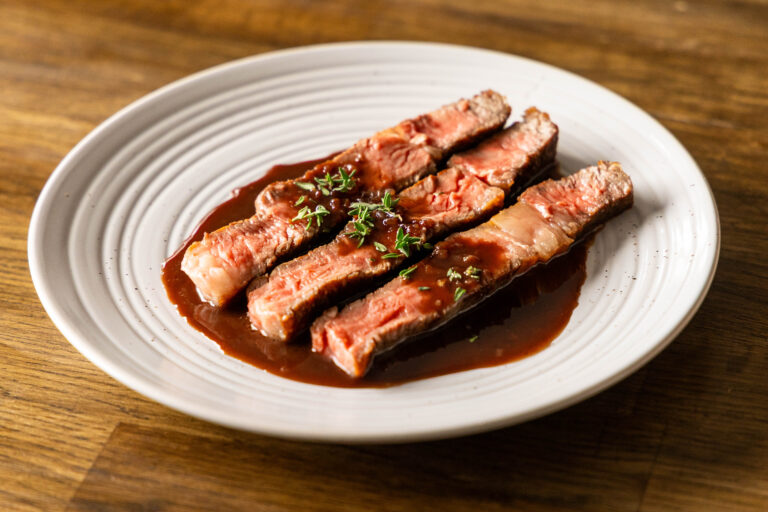
To build and maintain muscle, protein needs to be the star of your plate. Dr. Lyon recommends aiming for about 1 gram of protein per pound of lean body weight, focusing on high-quality sources like:
• Organic chicken, turkey, and beef
• Pasture-raised eggs
• Wild-caught fish
• Plant proteins (beans, lentils, hemp seeds, chia, tempeh)
Just as important are the foods to avoid. Processed meats, refined sugars and flours, alcohol, artificial sweeteners, and most commercial dairy products can promote inflammation—making it harder for your muscles (and your metabolism) to thrive.
Supplement Spotlight: What Helps Build Muscle?
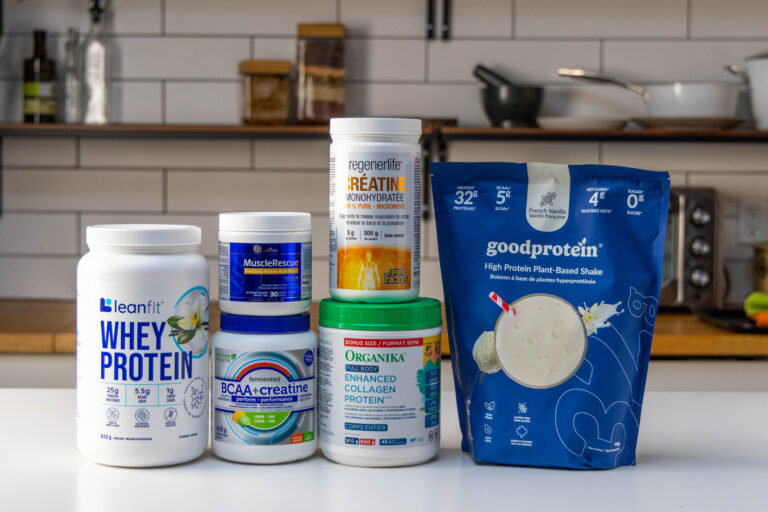
Supplements are never a replacement for real food—but they can be powerful tools when you’re building or maintaining muscle. Some favourites include:
• Protein powders (whole-food based or minimally processed options)
• BCAAs to support muscle repair and combat soreness
• Creatine (best taken with professional guidance) for strength + mitochondrial support
• Vitamin D for muscle strength, immunity, and mood
• Minerals + trace minerals to support hydration, nerve signals, and muscle contraction
• Mitochondrial-support formulas for energy and recovery
• Hormone-balancing blends (where appropriate)
Always follow product guidelines and consult your healthcare provider for personalized recommendations.
Hydration: Your Muscle’s Best Friend
Muscle tissue is incredibly water-rich—and hydration directly affects how well your muscles create energy (ATP), recover, and perform.
Pro tip:
Keep water intake steady throughout the day and consider electrolyte support if you’re active or sweating more than usual.
Exercise: The Non-Negotiable for Muscle Health
You don’t need to live in the gym, but you do need to keep your muscles challenged. A balanced routine includes both resistance training and aerobic movement.
What Works Best?
• Weight training → boosts strength, supports bone density, improves mitochondria
• Incline walking or hiking → great for muscle activation and calorie burn
• HIIT or interval training → supports heart health and hormone balance
• Power activities like rowing, skiing, or cycling
• Weight vests for added intensity—just start light (under 15% of your body weight)
And as always:
Check in with a healthcare professional before starting something new.
Lifestyle: Strong Muscle, Strong Mind
Physical and mental health are deeply connected. When you train your body, you naturally build resilience, confidence, and emotional balance.
Try incorporating:
• Functional strength movements
• Time outdoors
• Breathwork or meditation
• Community connection
• Habits that support daily movement and energy
Healthy routines help your brain recognize new patterns—and stick to them.
Meet Your Mitochondria: The Powerhouses Behind It All
If muscle is the organ of longevity, mitochondria are its spark plugs. These tiny powerhouses convert ATP into usable energy for every cell in your body.
When mitochondria decline, so does overall health. Exercise (especially resistance training) helps create more mitochondria and keep them functioning well, making it one of the most powerful anti-aging practices you can do.
For deeper reading, check out:
• The Mitochondrial Cookbook
• Minding My Mitochondria by Dr. Terry Wahls
• Dr. Gabrielle Lyon’s work on MUSCLE-CENTRIC MEDICINE®
The Bottom Line: Muscle Is a Lifelong Investment
Muscle-centric medicine offers a simple, empowering message:
Prioritize your muscle health, and you’ll improve your overall health—today and for the long run.
Build muscle through protein-rich nutrition, supportive supplements, smart training, and daily habits that strengthen both body and mind. When you take care of your muscle, you take care of your metabolism, energy, hormones, and longevity.