

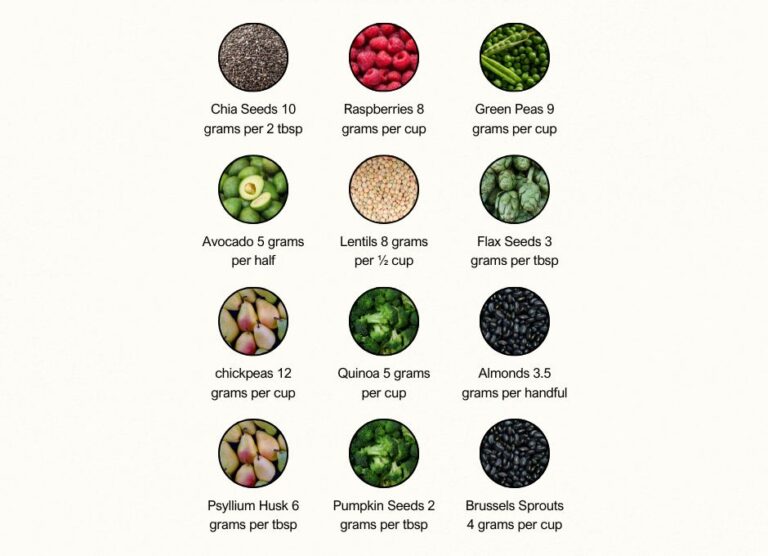
Fibre is one of the most impactful nutrients for whole-body health. Found only in plant foods, it supports digestion, stabilizes blood sugar, nourishes beneficial gut bacteria, and contributes to heart and metabolic health. When fibre intake is consistent and diverse, the body functions more smoothly from the inside out.
Fibre works in several important ways. Soluble fibre, found in foods like chia seeds, flax, lentils, oats, and psyllium husk, dissolves in water to form a gel-like substance. This slows digestion, supports stable blood sugar, and helps lower LDL cholesterol. Insoluble fibre, abundant in vegetables, legumes, nuts, seeds, and whole grains, adds bulk to stool and promotes regular, efficient elimination. Both types are essential, and most plant foods contain a mix of each.
Equally important is fibre’s role as a prebiotic, meaning it feeds beneficial gut bacteria. When gut microbes ferment fibre, they produce short-chain fatty acids that support gut lining integrity, reduce inflammation, and influence metabolic and immune health throughout the body.
Daily fibre needs vary, but general guidelines recommend 25 grams per day for women and 38 grams per day for men—targets many people fall short of. Seeds like chia, flax, pumpkin, and psyllium pack a concentrated punch, supporting regularity and satiety with just a spoonful. Legumes such as lentils and chickpeas offer a double win of fibre and plant protein, making them ideal for nourishing meals that keep you full longer. Fruits and vegetables—including raspberries, green peas, Brussels sprouts, and avocado—deliver fibre alongside antioxidants, vitamins, and minerals your body relies on daily.
Aim to include a variety of fibre sources across meals rather than relying on just one. Different fibres feed different gut microbes, creating a more resilient and diverse microbiome.
Tip: To increase fibre intake comfortably, go slow. Add one high-fibre food at a time, drink plenty of water, and spread fibre across meals and snacks. Simple swaps—like adding seeds to smoothies, legumes to salads, or berries to breakfast—can make a meaningful difference your gut will notice.