
The seasonal shift has arrived!
More crisp temperatures, shorter days, kids back in school, and household activities back in full swing!
As such, cold and flu season is inevitably approaching! But this season, it’s going to hit differently. Or maybe, not at all.
Your immune health is going to be more resilient than ever before, because the guide that follows packs your toolbelt with practical tools you can start implementing tomorrow.
Our Immune System is constantly being challenged, increasing our vulnerability to bacterial and viral infections and atypical responses to foreign invaders in the body.
Chronic, low-grade inflammation keeps your Immune System in overdrive, meaning it continues to fire and remains in attack mode, rather than turning off. In this state, your immune cells release pro-inflammatory cytokines (small signaling proteins) that can outpace your body’s anti-inflammatory signals. While cytokines are a necessary presence for combatting infections and healing injury within the body, we don’t want to find ourselves in a chronically activated state.
Immune health is not about ‘boosting’ a single thing. Immune resilience is a product of building and maintaining strong GUT health, given the gut is the first point of entry into the body and impacts ALL physiological systems of the body. Did you know that 70-80%+ of your Immune System is housed within your gut?
Rather than focusing our time, energy and efforts on ‘boosting’ our Immune System, let’s look at this differently. Let’s take a more proactive, preventive, whole-body approach!
What’s your gut doing? In other words, what’s growing in there, and what’s NOT growing in there?
A well-fed gut microbiome means abundant levels of diverse, beneficial (probiotic) bacteria are dominating gut function, rather than poor bacteria and yeast running the show.
What feeds your gut, feeds your Immune System!
Probiotic fiber sources (raw, unpasteurized ferments)
What To Minimize
These items feed poor bacteria and yeast, impacting mood, energy levels, cognitive function, digestion, bowel movements, sleep, hormonal balance, and even menstrual cycles. They fuel the die-off of beneficial bacteria, weakening your gut health and immune resilience.
Strategic vitamins, minerals and plant-specific compounds can very effectively complement our anti-inflammatory diet!
Sources of antioxidant nutrients (vitamins A, C, E and minerals selenium and zinc) are powerful nutrients for countering oxidative stress impacting our cells and tissues. Oxidative stress is a byproduct of various exposures, including environmental toxins/chemicals, a poor diet, chronic stress, sleep deprivation, smoking, alcohol consumption, and natural aging of our body.
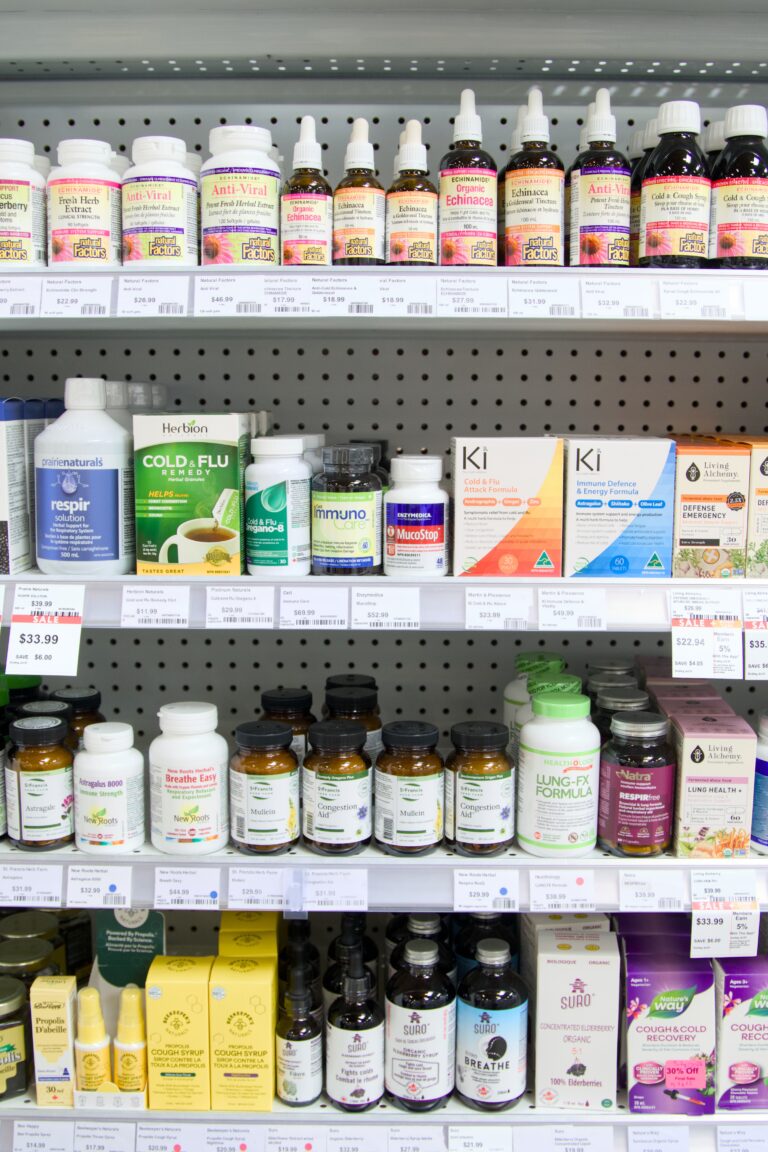
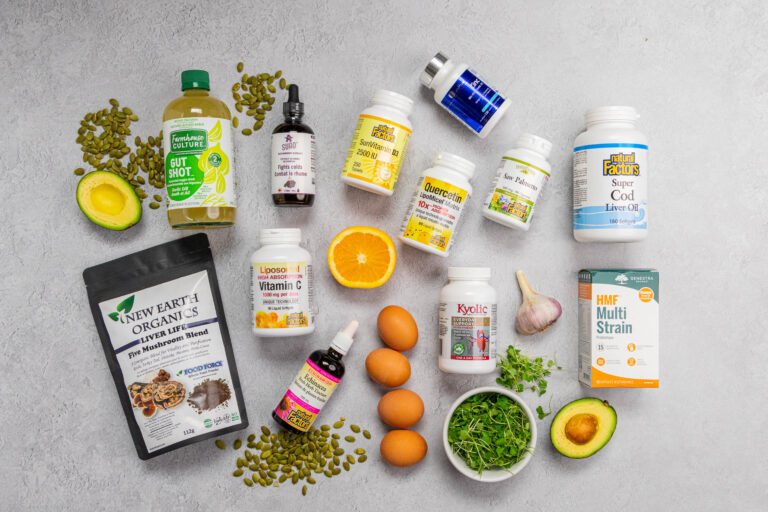
Here are my go-to immune supports:
(Liposomal) Vitamin C
Vitamin D3 (+ K2)
Zinc
*As zinc exists in delicate balance with copper in the body, please discuss any plans for ongoing use of zinc supplementation (dosing/duration of use) with your practitioner, proceeding accordingly. Regular zinc supplementation over time can contribute to blocking copper absorption.
N-Acetylcysteine (NAC)
Reishi Mushroom (Ganoderma Lucidum)
Elderberry
Bee Propolis Throat Spray
Raw, Unpasteurized Honey
*Will raise blood glucose – navigate according to your blood sugar circumstances.
Oil of Oregano
*Not recommended for everyday use, as ongoing antimicrobial use will negatively impact overall gut bacterial balance and diversity.
Beverages
Stabilized blood sugar levels are one of the most overlooked aspects of our health! Balanced blood sugar levels equate to more regulated and optimally functioning hormones, directly impacting our mood, energy levels and ability to focus and perform.
If you find yourself on the infamous blood sugar rollercoaster throughout the day – scrambling for a quick energy fix/boost in the form of caffeine, sugar and/or refined carbs – you’re likely also experiencing energy crashes, brain fog, fatigue and sleep disturbances, too, The spikes and crashes fuel inflammation, impacting gut function and weakening immune resilience.
High-glycemic meals that lack diverse, colourful fiber, lean protein and a source of anti-inflammatory fat keep you spinning your wheels and in an uncomfortable state – more vulnerable and susceptible to acute illness. Focus on macro-balanced meals, because glucose absorption becomes SLOWED…keeping you fuller, for longer!
Movement following your main meals engages your muscles to use up glucose in the bloodstream, balancing blood sugar levels. The Immune System is very responsive to exercise, including improving the circulation of immune cells due to increased heart rate and blood flow. Enjoy physical activity outdoors in the sunshine, when possible, to simultaneously benefit from Vitamin D synthesis and the cortisol-lowering effects on your Nervous System.
Prioritizing stress management practices and protecting your sleep hygiene become non-negotiables, if you desire to remain maintain strong immune resilience.
Consider what will STOP, START and CONTINUE in your daily life, in terms of what is demanding your time, energy and efforts. To make space for prioritizing your health to a greater degree, something’s got to give. What can you delegate, pause for now, or not do at all?
A body in a chronic state of flight-or flight means chronically elevated cortisol and dysregulated blood sugar levels. While cortisol is protective and anti-inflammatory in the short-term, it becomes immune-suppressive and pro-inflammatory when chronically elevated. Daily, intentional practices that down-regulate your stress response start shifting your state back into rest-and–digest mode, such as intentional breathing exercises, time in nature, meaningful social connections and mindfulness.
Quality sleep is essential – a period of rest and restoration for your cells and tissues. As little as one poor night of sleep can significantly reduce natural killer cell activity of the Immune System.
Consider how you spend the 60-90 minutes prior to bed – is it spent enjoying stimulating or non-stimulating activities (e.g. screen time vs. a walk outdoors or curled up reading)? Reducing or eliminating screen time goes a long way. Furthermore, consider your sleeping environment (degree of darkness, room temperature) and whether you’re maintaining a reasonable and consistent bedtime and wake time from day to day.
This season, and beyond, remember:
Immune resilience is built DAILY – the compounding effect of our positive choices, habits and behaviours. I encourage you to pick one pillar to focus on for the month ahead, documenting and celebrating the shifts that result. What makes us feel good, we’re likely to continue!
About the Author
Jessica Ferguson (Pecush) is a Natural Nutrition Clinical Practitioner based in Calgary, Alberta.
Her 2-decade journey with autoimmune disorder Ulcerative Colitis ultimately led her into the world of Holistic Nutrition with a deep-dive focus on gut health and autoimmunity, given ALL symptoms and disorders in the body stem from the health and functioning of the gut!
Through her (online-based) private practice (Jessica Pecush Nutrition), Jessica supports others with redefining their future health trajectory. Her therapeutic, anti-inflammatory approach encompasses a personalized whole foods-based diet, high-impact natural supplementation, calming lifestyle/stress management practices, restorative sleep strategies and of course, a growth mindset!
Jessica deeply empowers you with a sustainable, root cause-supportive approach for long-term vitality, rather than band-aid solutions that just temporarily mask symptoms.
SOURCES
Elderberry for prevention and treatment of viral respiratory illnesses: a systematic review
Evaluation of Immune Modulation by β-1,3; 1,6 D-Glucan Derived from Ganoderma lucidum in Healthy Adult Volunteers, A Randomized Controlled Trial
Impact of sleep deprivation on monocyte subclasses and function
N-Acetylcysteine (NAC) – Impacts on Human Health
Propolis antiviral and immunomodulatory activity: a review and perspectives for COVID-19 treatment
Recent Update on the Anti-Inflammatory Activities of Propolis
The compelling link between physical activity and the body’s defense system