
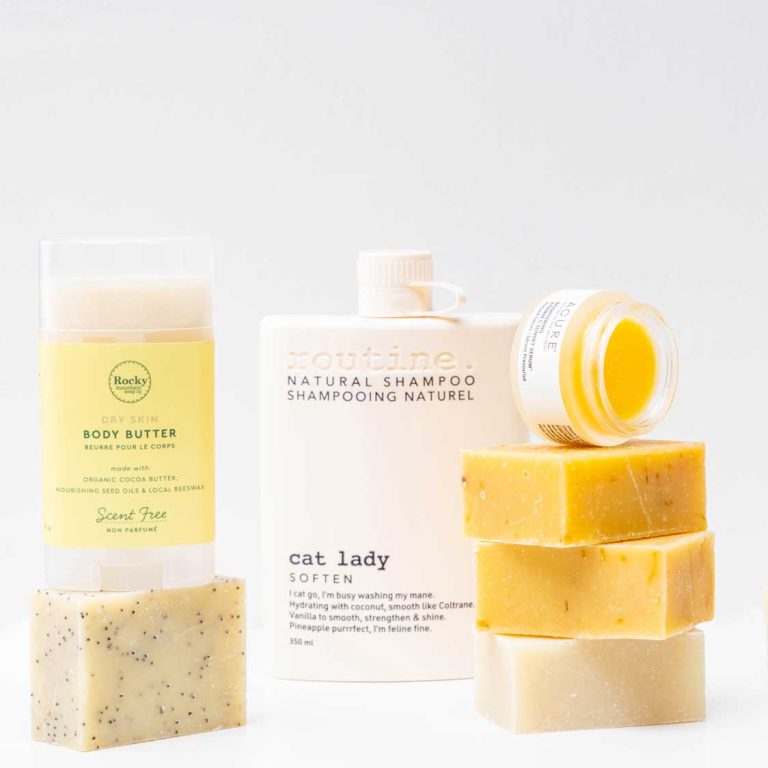
I’m going to assume that you want to feel your best…inside AND out! There’s no doubt that your daily beauty and personal care rituals are a part of that.
Have you ever peeked at what’s in your regularly used products, and where those ingredients come from?
An ingredient list is everything, as what’s applied to the skin, alongside what we ingest and inhale, can be absorbed into our bloodstream.
In acting preventively, or in response to active, chronic inflammation bringing about current, uncomfortable symptoms, becoming a detective with our personal care products is crucial. This includes face, body and hair care, cosmetics, dental care, menstrual care, and ambiance-related home accessories.
The overall toxic load our liver (and overall body) bears plays a prevalent role in how we feel every day, including the state of our overall physiological functioning. Understanding the ingredients in our personal care products of choice, including how they interact with our body over time, helps curb our cumulative exposure. As a result, we can better circumvent future health challenges.
Conventional personal care products can be laden with hormone-disruptors and other inflammation-inducing ingredients.
When we tap into more naturally composed alternatives, we start significantly reducing our toxic load, bodily congestion and overall degree of inflammation. As a result, uncomfortable symptoms can begin to dissipate, providing you relief!
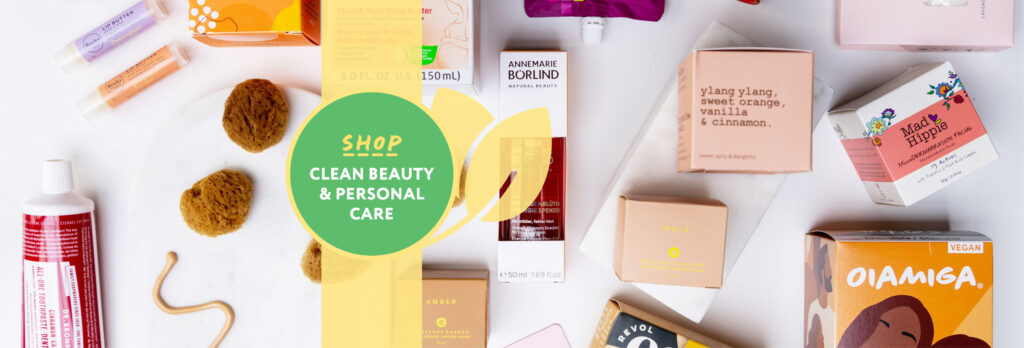
Making health-building swaps is a gradual process, in taking a sustainable approach.
Step 1: Assess the overall number of products that form your daily personal care routines. Are all of the products necessary? How might the volume of products be paired down?
Step 2: Evaluate the products you move through most frequently – choose 1-3 of them as a starting point.
Step 3: Take a close look at the ingredients in each of their ingredient lists. Are they recognizable? Pronounceable? What do they do?
This is where the empowerment starts to grow! With practice and experience, we begin to grow more aware of the ingredient names and terms used in such products, more deeply understanding whether they support, or hinder, our health.
To start fast-tracking you through the multitude of ingredients out there, ingredients to bypass include:

Community Natural Foods carefully screens all products on its shelves, to safeguard your health and the well-being of our planet. Stringent standards and ingredient review fast-track you to brands and products worth exploring! View the MyCNF Verified standards myCNF Verified Standards
Look for: antioxidant nutrients (Vitamins C or E, fruit extracts), natural oils (argan, coconut, jojoba, olive, shea…), hyaluronic acid, aloe vera, bakuchiol, kaolin clay, willow bark…
With sunscreens, mineral-based active ingredients (e.g. zinc oxide, titanium dioxide) are ideal.
Look for: natural carrier oils (almond, argan, coconut, jojoba, olive, shea…), natural clarifiers (apple cider vinegar) and botanical extracts (amla, grapefruit, lavender, neem, tea tree…).
Look for: mineral-based pigments (zinc/iron oxide, titanium dioxide), botanical extracts (aloe vera, tea tree, fruits…), carrier oils (aloe, jojoba…) thickeners (arrowroot starch…), and plant-sourced butters and waxes.
Our skin is our largest organ, and one of 6 natural detoxification pathways in the body. Any opportunity to sweat and release toxins through the skin is highly beneficial! Sweating is crucial for regulating our core body temperature, as it is the thermoregulation system of our body.
Look-for: aluminum-free options, given aluminum is added to block pores. We want our pores to be able to release sweat and toxins.
The bacterial balance and health of our oral microbiome is directly connected to both our gut microbiome health and liver health.
Look for: sodium bicarbonate (less abrasive whitening agent), nano-hydroxyapatite (fluoride alternative – supports re-mineralization and strengthening of enamel), xylitol (natural sugar alcohol that helps reduce poor bacterial species), and tea tree oil (natural antimicrobial).
Look for: natural fibers (100% certified organic cotton), plant-based applicators, and biodegradable or compostable materials.
Look for: Epsom salts, dead sea salt, sea minerals and/or essential oils, paving the way for less skin irritation and sensitivity as a result.
Look for: natural botanicals and purity tested/quality assured lines of essential oils.
Have some fun mixing and matching essential oils to create custom blends and scents, with the use of a carrier oil and roll-on bottle for application!
Look for: 100% beeswax candles that release a naturally sweet aroma, or natural fiber reed diffusers that diffuse natural essential oils. A Himalayan salt crystal lamp emits a warm, calming, amber glow!
Upleveling your beauty/personal care products is an exciting process, especially when you start feeling the benefits! The process introduces you to a wealth of new brand possibilities you may not have discovered otherwise! Experimenting with different options helps you discover the perfect fit for your personal, unique needs and lifestyle.
About the Author
Jessica Ferguson (Pecush) is a Natural Nutrition Clinical Practitioner based in Calgary, Alberta.
Her 2-decade journey with autoimmune disorder Ulcerative Colitis ultimately led her into the world of Holistic Nutrition with a deep-dive focus on gut health and autoimmunity, given ALL symptoms and disorders in the body stem from the health and functioning of the gut!
Through her (online-based) private practice (Jessica Pecush Nutrition), Jessica supports others with redefining their future health trajectory. Her therapeutic, anti-inflammatory approach encompasses a personalized whole foods-based diet, high-impact natural supplementation, calming lifestyle/stress management practices, restorative sleep strategies and of course, a growth mindset!
Jessica deeply empowers you with a sustainable, root cause-supportive approach for long-term vitality, rather than band-aid solutions that just temporarily mask symptoms.
Sources

A prospective longitudinal cohort study of the effectiveness of 25% xylitol toothpaste on mutans streptococci in high caries-risk young children.

Alkyl pyrrolidone solvents N-methyl-2-pyrrolidone (NMP) and N-ethyl-2-pyrrolidone (NEP) in urine of children and adolescents in Germany - human biomonitoring results of the German Environmental Survey 2014-2017 (GerESV).

Antigingivitis efficacy of a sodium bicarbonate toothpaste: Pooled analysis.

Can oral bacteria affect the microbiome of the gut?

Contact allergy to and allergic contact dermatitis from formaldehyde and formaldehyde releasers: A clinical review and update.

Deodorants and antiperspirants: New trends in their active agents and testing methods.

Occurrence of and dermal exposure to benzene, toluene and styrene in sunscreen products marketed in the United States.

Occurrence, time trends, and human exposure of siloxanes and synthetic musk compounds in indoor dust from Korean homes.

Oral Pathogenic Bacteria and the Oral-Gut-Liver Axis: A New Understanding of Chronic Liver Diseases.

Per- and polyfluoroalkyls used as cosmetic ingredients - Qualitative study of 765 cosmetic products.

Phthalates and Their Impacts on Human Health.

Potential Carcinogens in Makeup Cosmetics.

Tea tree oil in inhibiting oral cariogenic bacterial growth an in vivo study for managing dental caries.

The dark side of beauty: an in-depth analysis of the health hazards and toxicological impact of synthetic cosmetics and personal care products.

The use of hydroxyapatite toothpaste to prevent dental caries.

Topical Application of the Antimicrobial Agent Triclosan Induces NLRP3 Inflammasome Activation and Mitochondrial Dysfunction.

Toxic ingredients to avoid: Petrolatum.