
They say that “You are what you eat,” and while that is true, it’s only part of the whole story. Truth be told, we are also what we absorb. If we can’t break down the nutrients in our foods that we eat and absorb them properly, even the healthiest of foods will do us little good.
Digestive issues are becoming increasingly common these days. What used to be known as an issue related to “getting older” is now affecting people of all ages. Heartburn, bloating, food sensitivities, and nutrient deficiencies have become so widespread that they almost seem like the new normal. This rise isn’t random though. Modern day life has wreaked havoc on our digestive system, thanks to high stress levels, ultra-processed, nutrient-depleted foods, the use of certain medications, and our fast paced lifestyle. Our current world today is placing more strain on our digestive systems than ever before.
However, it’s not all doom and gloom for our digestive health. Despite the challenges that modern life presents to our digestion, there are many holistic approaches we can take to restore balance and improve this vital system. Small, consistent changes through what we eat, how we live, and the supplements we take to support our digestion can help us to feel healthier, more energized, and better nourished. But to fully support our digestion long term, we need to understand it a little better, and how it works.
Our digestion is more complex than we can ever imagine. Each step of digestion relies on the one before it, with all the parts of digestion working synergistically together to break down food and unlock nutrients. When one stage is weakened, it can affect the entire digestive process, ultimately impacting our overall health in a negative way. By learning how it all works together, we can better understand where problems begin and what we can do to help our digestion to run more efficiently.
Let’s break things down step by step to better understand how food nourishes us.
The journey begins the moment we put food to our lips. The smells and sight of food sends a signal from our brain to our digestive tract through our body’s longest cranial nerve called the Vagus Nerve. Think of this signal as the “green light” for digestion. It signals the digestive system to kick into high gear, telling the stomach to produce acid, the pancreas to get ready to release enzymes, and the gallbladder to prepare bile for release (1).
Mastication in Motion: This first step starts the moment you put food in your mouth. By this point, the vagus nerve, which is also part of the parasympathetic nervous system (rest and digest system), sends a signal for saliva to be produced. As we chew and break down our foods, the salivary glands release amylase to help digest carbohydrates, as well as a type of lipase to start the digestion of fats.
On to the “Churning Chamber,” the Stomach: After food is broken down in the mouth, it travels down the esophagus and into the stomach. The stomach plays a major role in digestion. This is where food gets broken down mechanically and enzymatically. Thanks to our vagus nerve, it helps to keep the stomach muscles contracting, helping to break down food, while parietal cells in the stomach lining release hydrochloric acid (HCl), which increases stomach acid. Pepsin is also produced for digesting protein, as well as gastric lipase for fat digestion and gastric amylase for further carbohydrate digestion. At this stage, this partially digested mixture is called Chyme.
The Powerhouse Pancreas: As the chyme leaves the stomach and enters the duodenum, the vagus nerve teams up with two key hormones, secretin and cholecystokinin (CCK), to alert the pancreas that it is go time! This multitasking organ sends a stream of bicarbonate to neutralize the stomach acid, creating the right pH for enzymes to work. Then it releases its powerhouse trio of enzymes: pancreatic amylase to break down complex carbohydrates, lipase to break down fats, and proteases like trypsin and chymotrypsin to break down proteins into smaller peptides. Without the pancreas’ perfectly timed intervention, the food we eat would not be broken down into a form that our bodies can utilize and absorb.
“Green Gold,” Bile: Right alongside the pancreas, the gallbladder receives the same CCK signal and squeezes out its treasure, bile. Produced in the liver but stored in this small sac, bile is rich in bile salts that emulsify fats, breaking them into tiny droplets so lipase can finish the job. Kind of like dish soap cutting through grease. Without bile, fat digestion would be slow and incomplete.
Absorption Central, the Small Intestine: With enzymes and bile hard at work, the chyme moves along the winding length of the small intestine, the duodenum, jejunum, and ileum, where most nutrient absorption takes place. The walls are lined with villi and microvilli, tiny finger like projections that increase surface area for better food digestion and nutrient absorption, each equipped with brush border enzymes like maltase, lactase, and sucrase to further digest carbohydrates. This is where nutrients can cross into the bloodstream or lymphatic system.
Now that we understand how digestion works, and how each step relies on one another, we can begin to see why and how problems can arise when any part of the digestive system falls out of sync. Issues like low or excess stomach acid, insufficient enzyme production, or poor bile flow can lead to uncomfortable symptoms such as bloating, indigestion, heartburn, and even IBS (especially diarrhea predominant).
Let’s take a closer look at some of the most common digestive issues and the supplements and lifestyle changes that can help address them.
Have you ever had that uncomfortable feeling where you feel like your food is just sitting stagnant in your stomach? Almost as if your stomach hit the pause button on digestion, and one more bite could push you over the edge into nausea or even vomiting. If this sounds familiar, you may have been experiencing indigestion. This condition is fairly common now, affecting people of all ages. Symptoms can range from feeling overly full and bloated, feeling full too soon during a meal, gassiness, belching, heartburn, nausea, and mild stomach pain. Periodic indigestion is not usually a cause for concern and can be alleviated through changes in diet and taking certain supplements. However, chronic indigestion, also known as functional dyspepsia, is much more concerning. Symptoms tend to be more persistent and troublesome, and may warrant a visit to your doctor to assess your symptoms and investigate potential underlying causes.
If you experience indigestion periodically, give these supplements a try:
Digestive Bitters
Remember how the vagus nerve stimulates digestion and kicks the digestive process into high gear? Digestive bitters help trigger this response by signaling the vagus nerve to communicate with the brain and stimulate the release of digestive secretions. The key piece is to hold the bitters in your mouth before swallowing, in order to activate the taste receptors, which is what activates the vagus nerve. Think of bitters as a reset for a sluggish digestive system. Over time their actions can help retrain the body’s digestive system to function more efficiently, instead of merely providing a bandaid solution. Digestive bitters also contain herbs that can soothe and calm the digestive tract, helping to relieve gas and bloating, and as an added benefit, they can also help to regulate blood sugar (2).
Digestive Enzymes with or without HCl
Digestive Enzymes can help with occasional episodes of indigestion, or during times when your digestive system needs extra support with enzyme production. Digestive enzymes are more of a temporary solution while you make changes to your diet and lifestyle, during times of illness, while you are travelling, or for occasional times when you overindulge at a meal. However, digestive enzymes will not address the root cause of indigestion symptoms. Digestive enzymes formulas usually provide a wide range of digestive enzymes that your body naturally produces, providing extra support when digestion has become sluggish. Some formulas also include hydrochloric acid (HCl), which may be beneficial if you are dealing with low stomach acid.
Dealing with indigestion after having your gallbladder removed, or struggling with a sluggish gallbladder? You may need more specialized support when it comes to digestive enzymes. Without a functioning gallbladder, bile is no longer released at the right time, which can make fatty meals difficult to digest and may cause bloating, discomfort, or diarrhea.
In these cases, long term support with digestive enzymes focused on fat breakdown can be very helpful. Ox bile supplements provide the bile salts your body needs to emulsify fats, while lipase focused enzyme formulas help break fats down into absorbable components. Taking these with each fat containing meal can support digestion and nutrient absorption, helping you feel more comfortable and nourished.
Probiotics
Sometimes indigestion isn’t just about what you eat, but what types of bacteria have colonized your gut. When certain types of pathogenic bacteria take hold and grow excessively in the gut, we can get symptoms of indigestion. A balanced microbiome plays a large role in breaking down food efficiently, producing beneficial compounds, and keeping gas production in check. Certain strains, like Lactobacillus plantarum, Bifidobacterium lactis, and Lactobacillus acidophilus, have been shown to improve digestion by increasing enzyme activity and helping to regulate gut motility. Probiotics can also help reduce low grade inflammation in the gut, which in turn may ease bloating and discomfort.
Does your stomach feel like it is filled with hot embers that you just can’t seem to put out? Gastritis may be the culprit for this. This condition occurs when the stomach lining becomes inflamed and irritated, leaving it more vulnerable to acid erosion, ulcers, vitamin deficiencies (B12), and in some cases stomach bleeding. The “sparks” that ignite gastritis can come from many sources, including chronic stress, frequent use of NSAIDs, alcohol, H. Pylori infection, or autoimmune reactions. Symptoms can present as a dull or constant ache in the stomach, a burning sensation, nausea, vomiting, bloating, or a feeling of heaviness in the stomach after eating. Holistic support for gastritis involves calming the inflammation, protecting the stomach lining, reducing the intake of NSAIDs or any foods that irritate the stomach lining, and managing chronic stress. Severe cases of gastritis, or when there is an H. Pylori infection, ulcers or bleeding present, requires the evaluation and intervention of a doctor.
Supplements that may help soothe gastritis related inflammation:
Slippery Elm
Here is some soothing relief for gastritis. Slippery elm’s mucilage, a gel-like polysaccharide, coats and soothes inflamed stomach tissue, and any other mucosal tissue that it comes in contact with. This protective layer reduces irritation from stomach acid and supports tissue repair, helping the gastric mucosa (stomach lining) to heal. Slippery elm also has anti-inflammatory properties that further help to reduce inflammation in the stomach lining and facilitate healing.
Aloe Vera
Most people know of aloe’s soothing properties for the skin, but did you know that its soothing abilities go far beyond the surface of the body? When consumed as a juice or gel, aloe vera delivers polysaccharides such as acemannan and glycoproteins that reduce inflammation, modulate immune responses, facilitate healing of the mucosal tissue of the stomach, and it can protect the stomach lining (3). Choose preservative free inner leaf fillet over whole leaf aloe vera to avoid the laxative effect that whole leaf can cause.
Zinc Carnosine
Zinc carnosine is a chelated compound of zinc and L-carnosine, and has been well studied for gastric mucosal protection and repair. It adheres to inflamed areas of the stomach lining, forming a protective “shield” that prevents further acid damage. Zinc supports enzymes that are important for tissue repair, while L-carnosine offers antioxidant protection against free radicals that can worsen inflammation. Clinical studies show zinc carnosine can reduce gastritis symptoms, support mucosal healing, and maintain the integrity of the stomach lining (4).
Heartburn is often a more familiar term that people use to describe acid reflux. Heartburn is experienced when stomach acid travels up the esophagus and causes an uncomfortable burning sensation in the chest and throat. For some people this can be quite painful and can cause a tight feeling in the chest that is sometimes mistaken for a heart attack. This occurs when the lower esophageal sphincter (LES), the valve between the esophagus and stomach, relaxes at the wrong time or doesn’t close properly, allowing acid to escape upward into the esophagus. Triggers can include large meals, lying down after eating, acidic or spicy foods and drinks, abdominal pressure, and chronic stress.
Supplements that may help with Acid Reflux:
DGL (Deglycyrrhizinated licorice)
DGL is a compound derived from licorice root that helps coat and protect the lining of the stomach and esophagus from the harsh effects of excess acid. By increasing mucin production, it forms this natural and protective barrier, shielding delicate digestive tissues from further assaults in an acidic environment, and can help facilitate healing of tissue (5). Unlike whole licorice root, DGL does not carry the same risk of increasing blood pressure, making it safe for long term, daily use. DGL also contains certain flavonoids that help reduce inflammation and improve the health of the digestive tract.
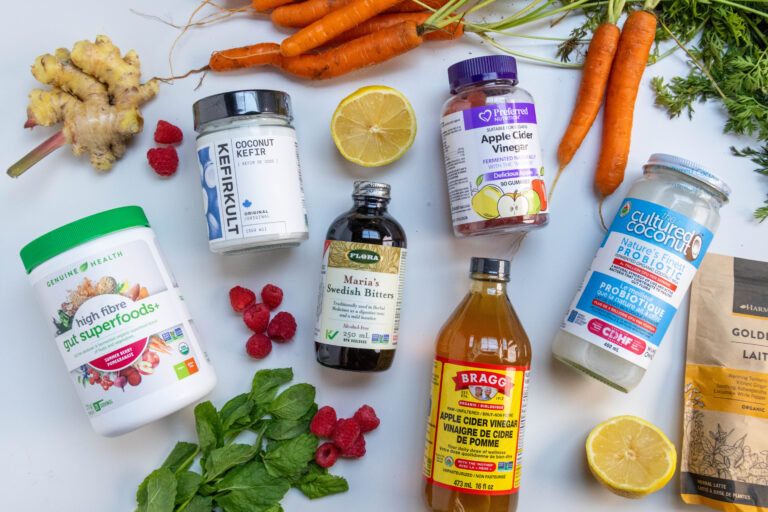
Ginger
Ginger is best known for its ability to ease nausea and reduce inflammation in the body. However, it has many other benefits, including alleviating acid reflux symptoms. Ginger has been shown to speed up gastric emptying, reducing the time food spends sitting in the stomach, which can help reduce the chance of stomach contents refluxing back into the esophagus (6). It contains phenolic compounds, gingerols and shogaols, that inhibit pro-inflammatory pathways, helping to calm irritated tissues in the esophagus and stomach.
Alginates
Alginates are a compound derived from brown seaweed that forms a natural gel that floats on top of the stomach contents. This gel acts as a physical barrier, preventing acid from traveling back up into the esophagus and reducing the burning sensation associated with reflux. Unlike antacids, alginates do not neutralize stomach acid, which allows digestion to continue normally. By creating a protective “raft” that stays in place after meals, alginates provide fast relief, particularly for post-meal heartburn or nighttime reflux.
While supplements can give your digestive system extra support, the real foundation of gut health lies in your daily habits. Scarfing down your meal while on the go, eating while stressed out, or indulging in ultra processed foods and eating past the feeling of fullness are just a few of the things that can weaken digestion over time. A few intentional shifts and changes in diet and lifestyle can make all the difference.
Slow down and Chew!
Your stomach doesn’t have teeth, so make sure to chew your food before it moves into your stomach. The more thoroughly you chew, the more you activate enzymes in your saliva and prepare food for its journey. Eating slowly also gives your brain more time to register fullness, which can ease pressure on the stomach and reduce the likelihood of acid reflux occurring.
Balance your plate, balance your digestion
Meals rich in whole foods, fiber, protein, and healthy fats support steady energy, and feeds your gut microbiome. Smaller, balanced meals can be easier to process than oversized portions, especially if you deal with reflux or sluggish digestion. Staying hydrated is equally important, although it’s better to sip water throughout the day, rather than gulp down large amounts of liquids with meals, which can dilute stomach acid.
Know your triggers
Greasy foods, ultra-processed foods, alcohol, caffeine, and late night snacks are common culprits for heartburn and indigestion. Try to limit these foods and refrain from eating late at night. Everybody is different and can react in different ways to various foods, even foods that are known to be healthy. Paying attention to what consistently causes digestive discomfort gives you valuable clues about what to limit. It is always worthwhile to keep a food journal and make note of foods that you may be sensitive to.
Move More
Going for a relaxing walk after meal time can do wonders for gut motility, helping food move along instead of sitting and stagnating in the stomach. Even posture plays a role. Slouching or lying flat right after eating can make acid reflux more likely, while sitting up straight or moving around encourages the stomach to empty more efficiently.
Stress, the destroyer of digestion
Digestion doesn’t work well when your body is in fight-or-flight mode. Stress hormones redirect blood flow away from the stomach and slow down enzyme release, leaving you with bloating or cramps. Give yourself the time and space to eat in a calm state, even if it means just pausing for a few deep breaths before a meal. This will help activate your parasympathetic nervous system, allowing for better digestion.
Keeping the signal strong, the Vagus Nerve
The vagus nerve acts like a two-way communication line between your brain and your gut. When it’s functioning well, it tells your stomach to churn, your pancreas to release enzymes, and your intestines to keep things moving. But when vagal tone is low, digestion can feel sluggish, and bloating or reflux may become regular occurrences.
The good news? You can stimulate and improve vagal tone through numerous ways. Humming, singing, deep breathing, meditation, very gently massaging the sides of the neck (NO massage guns), and exercise (7) are just some of the many ways that you can stimulate the vagus nerve and help improve digestion.
Digestion is unique to each person, and what works well for one may not be the right choice for another. The information here is for educational purposes only, and to provide ideas for improving digestion. It is always a good idea to talk with your healthcare provider before starting new supplements or changing your routine.
Article written by Jennifer Fraser C.H.N.C.
References:
1. https://en.wikipedia.org/wiki/Digestive_enzyme
2. https://pmc.ncbi.nlm.nih.gov/articles/PMC8072924/#sec6-nutrients-13-01317
3. https://pmc.ncbi.nlm.nih.gov/articles/PMC4277969/#abstract1
4. https://pubmed.ncbi.nlm.nih.gov/35659631/
5. https://pubmed.ncbi.nlm.nih.gov/7250207/
6. https://pubmed.ncbi.nlm.nih.gov/18403946/
7. https://academic.oup.com/cardiovascres/article/119/13/2329/7233757