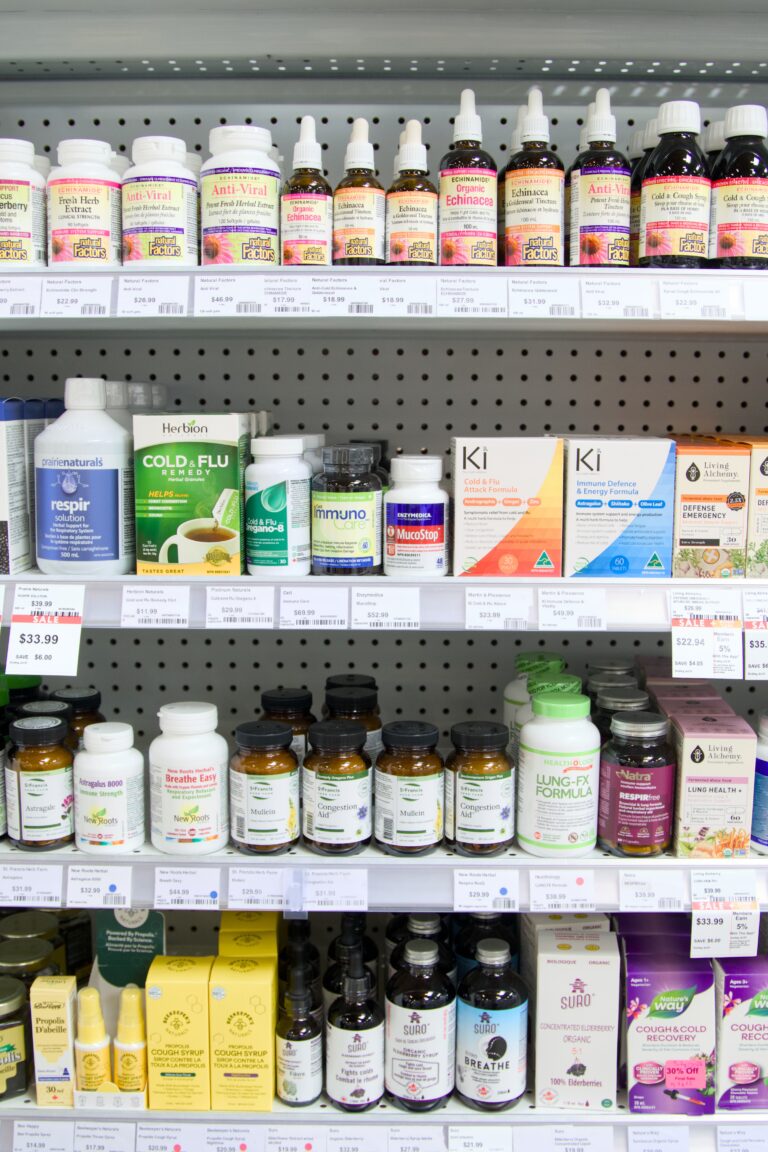

Here comes cold and flu season again, rolling in like an unwelcome guest! Viruses begin to make their rounds through every workplace, school, and most inconveniently, during gatherings with friends and family. It seems like wherever you go you hear coughing, sniffles, or sneezing from everyone around you. It’s also a time of year that we find ourselves indoors and closer to one another more often, thanks to colder weather, less daylight hours, and more holiday gatherings. This creates the perfect environment for cold and flu viruses to spread quickly and easily.
This is also the time when people start reaching for typical immune enhancing supplements such as echinacea and elderberry to help stimulate their immune system and halt a virus before it can fully take hold. In acute situations, stimulating the immune system for a short period of time can be helpful for fending off viruses after exposure, however, long term stimulation of the immune system is not ideal, and it doesn’t get to the root cause of why your immune system may be struggling in the first place. Supporting and strengthening the immune response is a more balanced, sustainable approach, helping you to stay healthy all season long.
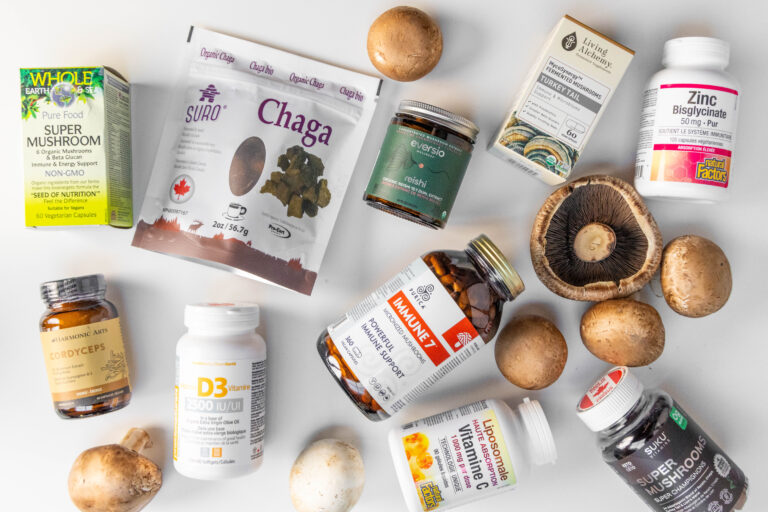
This is where medicinal mushrooms shine when it comes to immune support. Medicinal mushrooms have a wide array of beneficial compounds that have antioxidant, antimicrobial, antiviral (against enveloped viruses), and most importantly, immunomodulating capabilities (1). This means that certain medicinal mushrooms can help improve an underactive immune system, as well as calm an overactive one. Think of them as adaptogens for the immune system. They are also a source of prebiotic fibre to help improve gut health, which can support and improve immune responsiveness. Medicinal mushrooms are best taken long term as a preventative to help strengthen the immune system and reduce inflammation in the body that may be impacting immune response. Unlike immune stimulating herbs, they have a gradual, cumulative effect that improves immune health over time.
This unique mushroom stands out in so many ways! Known for its vivid colors and patterns, similar to that of a turkey’s tail (hence the name), it is also known for its ability to regulate immune function and improve gut health. Turkey tail contains certain compounds called Immunomodulating Polysaccharides (IPs). Two of the key IPs found in Turkey Tail are Polysaccharide Krestin (PSK) and Polysaccharopeptide (PSP). PSK and PSP are what gives Turkey Tail its immunomodulating capabilities, as well as its antiviral, antimicrobial, and anti-inflammatory effects (2). Turkey Tail is also a source of prebiotic fibres, which helps to feed the good bacteria in our gut, improving our gut health. A healthy gut is necessary for healthy immune function, as 70% of our immune cells reside in our gut (3). To fully experience the beneficial effects of Turkey Tail, it must be taken consistently each day. Remember, it is not an immune stimulator and won’t give you an instant immune “boost.” Rather, it works gradually to strengthen and balance your immune system over time.
Also known as the “King of Mushrooms,” this woody, parasitic fungus can be found growing on birch trees. Chaga is prized for being rich in a variety of antioxidants, boasting a higher Orac Value than any other known whole food on earth. That’s impressive! Chaga is also rich in beta-glucans, which help modulate immune function, as well as certain antioxidants such as melanins and polyphenols that protect our cells from damage caused by oxidative stress in the body. In one study done on immunosuppressed mice (due to chemotherapy), Chaga was shown to be a powerful immunomodulator and was able to recover the bone marrow system after chemotherapy induced damage (4). When taken regularly, Chaga supports balanced immune function while calming any inflammation that can weaken immune defenses over time.
Best known for its ability to enhance energy and endurance, Cordyceps also offers impressive immune support. Nucleosides such as cordycepin and adenosine help regulate immune activity and cytokine production while also showing antiviral activity against certain types of viruses (5). However, some research suggests that Cordyceps militaris may be more immune stimulating than immune modulating, potentially making it a less ideal option for those who have autoimmune conditions. This effect may be due to the extraction methods used in the study, as different preparations can have different effects (6). For most people though, cordyceps can be a great ally during cold and flu season to strengthen the immune system and support the body during times of stress and fatigue.
This mushroom is one of the most revered mushrooms in Traditional Chinese Medicine. Known as the “Mushroom of Immortality,” Reishi is a potent mushroom that has a wide array of benefits. Reishi contains over 400 bioactive compounds, such as triterpenes and beta-glucans, which gives it immunomodulating effects (7). These compounds help balance out immune activity by improving the function of white blood cells while also reducing oxidative stress and inflammation in the body, both of which can strain immune system function. Reishi also stands out as an adaptogen for stress, helping the body cope with physical and emotional stressors, which can be especially helpful during the holiday season. Since chronic stress can strain the immune system, Reishi helps balance and strengthen immune response when taken regularly.
While medicinal mushrooms can be incredibly beneficial for long term immune support, they are only a part of the big picture when it comes to building and maintaining a healthy and responsive immune system. Daily habits, diet, and key immune supportive nutrients also play a part in strengthening immune function and keeping your body well equipped to handle the many challenges that cold and flu season can present.
Most people are familiar with Vitamin C use during cold and flu season, as it’s usually the first thing people reach for when they start to feel cold or flu symptoms coming on. Vitamin C plays a really important role in immune health. It is concentrated in immune cells and helps to protect them from oxidative stress that can be caused by inflammation and infection in the body. During illness, your body tends to use up Vitamin C quickly, making it an important nutrient to replenish regularly, especially since it is a water soluble vitamin that doesn’t stay in the body for long. Vitamin C also supports healthy mucous membranes, which is one of the body’s first lines of defense against viruses and other pathogens, making this vitamin even more essential to include in your daily routine each day. Try to include more vitamin C rich foods in your daily diet, such as, oranges, bell peppers, kiwi, strawberries, and broccoli.
Also known as the “sunshine vitamin,” vitamin D plays a key role in keeping the immune system balanced and inflammation in check. Inadequate intake of vitamin D is a common issue in Canada all year around, but especially during the winter months (8). It is important to supplement vitamin D daily, as vitamin D deficiency has been linked to increased susceptibility to respiratory infections. Get your Vitamin D levels tested to know your status, as not everyone will be deficient.
This mineral is another important nutrient for keeping the immune system healthy and balanced. Zinc supports the development and activation of immune cells, helps regulate inflammation, and assists in the production of antibodies. Zinc also plays a role in maintaining healthy mucous membranes, helping the body to defend itself against pathogens. Having even a mild zinc deficiency can slow down your recovery from infections, and leave you more predisposed to catching the flu and other viruses. Try to include zinc rich foods in your diet each day, such as pumpkin seeds, hemp seeds, sesame seeds, beef and oysters. Supplement with zinc during times where your immune system is strained, or when you are exposed to people who are sick. If taking zinc long term, pair it with copper, as high doses of zinc can deplete copper over time.
This is the foundation for a healthy body and a healthy, responsive immune system. Here are some tips on what you can eat to help you thrive this cold and flu season:
Eat a wide variety of antioxidants. Antioxidants help combat oxidative stress and inflammation in the body. Focus on diversity when choosing antioxidant rich foods such
as, leafy greens, bell peppers, carrots, cantaloupe, citrus, berries, mushrooms, garlic, onions, herbs and spices.
Include probiotic rich foods in your daily diet. Having an abundance of beneficial bacteria in the gut helps support healthy immune function, as beneficial bacteria can directly communicate with and influence our immune system. Since around 70% of our immune cells reside within our gut, it is important to feed the gut microbiome daily with probiotic rich foods such as yogurt, kefir, kimchi, sauerkraut, kombucha and miso.
Get enough protein. Protein provides the building blocks for immune cells, enzymes and antibodies that help your immune system respond to pathogens quickly and effectively. Protein is also necessary for healing during times of illness, so assess your daily protein needs and see if you need additional intake. Protein rich sources are meats, fish, eggs, lentils, beans, nuts, seeds and soy.
Watch your sugar consumption. Holiday season comes along with cold and flu season, and we tend to indulge in sweet foods more often during this time. The unfortunate part is that foods high in sugar can suppress immune function for hours after consuming it, leaving you more vulnerable to catching viruses at gatherings. Try to eat protein rich foods before going to events where there will be an abundance of treats. If you do decide to indulge, have a small portion and savor it. This may help prevent mindless overindulgence.
Stay Hydrated. Staying hydrated throughout the day supports lymphatic flow, nutrient transport, and it keeps mucous membranes healthy, all of which is important for a healthy immune system. Sip water regularly throughout the day, enjoy unsweetened herbal teas, and drink bone broth or vegetable broth.
Our day to day habits can either support our immune health or compromise it. How you rest, whether you exercise, and how you handle stress can all affect the way your immune system functions.
Get enough sleep! Sleep can seriously impact the way that your immune system operates. Sleep is a time when your body goes into repair mode. It’s a time when your body releases protective cytokines, inflammation is regulated, and immune cells are replenished and prepared to defend you for the next day. When you limit your sleep time, your body doesn’t have enough time to complete these important restorative processes, leaving you more susceptible to illnesses. Try to aim for 7-8 hours of quality sleep, and try to stick to a consistent sleep schedule.
Stress less. So much easier said than done, right? Managing chronic stress truly matters when it comes to immune health. Chronic stress can keep cortisol levels constantly high, and this can suppress immune cell activity and weaken your body’s ability to respond effectively to pathogens. Finding ways to destress through spending time out in nature, listening to calming music, talking with friends or family, stretching, or even a few moments of sitting in silence can help. Take time out of your busy day to do things that you find enjoyable, and help you to relax.
Move Your Body. Regular movement helps to improve circulation, bringing oxygen and nutrients to immune cells, and helping them function more effectively. Physical activity also helps with lymphatic flow, which is important for removing cellular waste and toxins that negatively impact the immune system, if they stagnate and build up. You don’t need an intense daily workout to reap the benefits. Going for a brisk walk, doing yoga, cycling or swimming can all help support your immune system and overall health.
When it comes to staying healthy throughout the cold and flu season, it helps to take a holistic approach and consider the impact that every part of our body can have on our immune health. From our emotional wellbeing, to our physical wellbeing, to the foods we put in our mouth and thoughts that we choose to think, each aspect can affect our immune health. Making small, consistent changes daily can help our immune system to function optimally, and those changes can be lasting when implemented slowly and consistently.
All information provided in this article is for educational purposes only. Always consult with your health care provider before you are about to make significant changes to your diet and lifestyle, and before you start taking any supplements for the first time. Supplements can potentially cause reactions, and they may interact with certain medications.
References:
1. https://pmc.ncbi.nlm.nih.gov/articles/PMC7926341/#sec4-viruses-13-00350
2. https://www.sciencedirect.com/sdfe/pdf/download/eid/3-s2.0-B9780123850959000270/first-page-pdf
3. https://pmc.ncbi.nlm.nih.gov/articles/PMC8001875/#sec3-nutrients-13-00886
4. https://pmc.ncbi.nlm.nih.gov/articles/PMC3774877/#sec9
5. https://pmc.ncbi.nlm.nih.gov/articles/PMC9781638
6. https://pmc.ncbi.nlm.nih.gov/articles/PMC7735063/#s4
7. https://pubmed.ncbi.nlm.nih.gov/16428086/
8. https://pubmed.ncbi.nlm.nih.gov/20413135/