
Did you know that your prostate and your nose are the two things that will continue to grow for the rest of your life? Sounds pretty cool, hey? It may sound interesting, but unfortunately, this is bad news for many men as they get older. A constantly growing prostate most often leads to a condition called Benign Prostatic Hyperplasia, also known as BPH. This condition becomes more common with age, affecting more than 50% of men over 50, and between 80 – 90% of men who are 70 years and older. This condition can cause a whole host of symptoms ranging from urinary urgency to weak urine flow to annoyingly frequent bathroom trips at night. The symptoms of BPH usually creep up slowly, and are often not recognized until symptoms become more significant. Symptoms are often brushed off as “getting older,” and prostate health rarely gets any attention until the prostate is enlarged enough to start affecting overall quality of life.
So, what happens when someone develops benign prostatic hyperplasia? Well, that walnut can grow up to be a lemon. That lemon can start pressing on the urethra and cause you a lot of urinary difficulties. Talk about “when life gives you lemons”! Over time, this can weaken the bladder, as the bladder has to work overtime to push urine through such a narrow passage. A weak bladder can lead to incomplete emptying of urine, which sets the stage for recurrent urinary tract infections (UTIs). This can increase the risk of developing bladder stones, and it can even weaken kidney function in advanced cases.
So, what are the symptoms of BPH to watch out for? (1)
●Urinary frequency (urinating eight or more times a day)
●Urinary urgency
●Trouble starting a urination
●A weak or an interrupted urine stream
●Dribbling at the end of urination
●Getting up frequently at night to urinate
●Urinary retention
●Urinary incontinence (issues with bladder control)
●Pain after ejaculation or during urination
●Urine that has an unusual color or smell
The prostate is a little walnut sized gland located under the bladder and in front of the rectum. It surrounds the urethra like a donut, with the urethra passing through the centre, and it is made up of both muscular and glandular tissue. This little gland may be small, but it has a big job! The glandular part of the prostate is responsible for making prostatic fluid which mixes with sperm to form semen. This fluid is rich in nutrients, enzymes, and proteins that help to nourish, protect, and energize sperm on their journey. The muscular part of the prostate is equally important, as it pushes sperm along, and is responsible for ejaculation. Without this important gland, reproduction would be impossible.
Although the exact cause of BPH is not known, it has been strongly associated with hormonal changes that occur naturally as men age. As men get older, testosterone levels naturally decline, and a more potent form of testosterone called dihydrotestosterone (DHT), tends to increase in prostate tissue. For unknown reasons, the prostate cells become more sensitive to the effects of DHT, and the prostate can even start producing DHT locally, thanks to increased 5-alpha reductase activity. DHT acts like a growth signal, encouraging the prostate cells to multiply, fueling its growth (2). The balance between testosterone and estrogen also shifts, with estrogen increasing, and that increase in estrogen activity may further stimulate prostate growth. Carrying extra weight can make things worse. Fat tissue actually converts testosterone into estrogen, tipping the hormonal balance even further in the wrong direction. Obesity is also tied to higher inflammation and insulin resistance, both of which may contribute to prostate enlargement.
Although BPH cannot be prevented, there are many ways to support prostate health, reduce inflammation in the prostate, and potentially slow down its growth. Certain nutrients, key herbs, eating an anti-inflammatory diet, and changing certain lifestyle factors can all help to reduce symptoms and contribute to better prostate health.

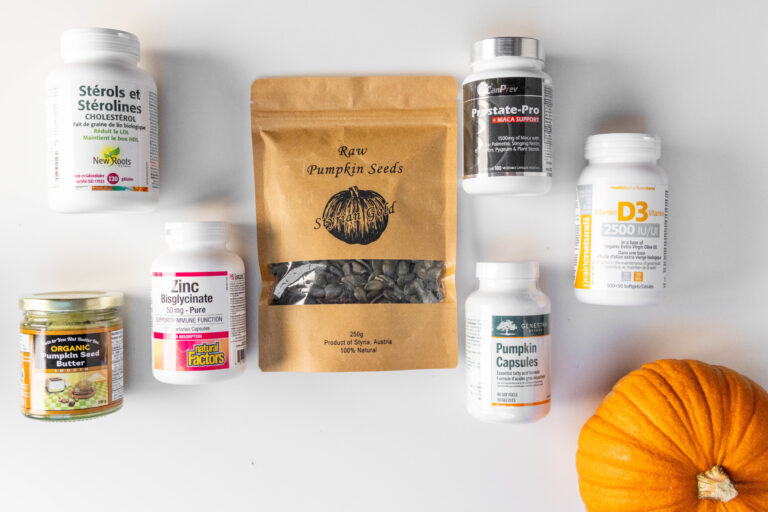
Who would have thought that the bark from a tree could be so useful for reducing inflammation in the prostate? Pygeum comes from the bark of the African Plum tree, and has a long history in traditional African medicine for urinary and prostate health, as well as sexual health. Pygeum contains numerous compounds such as, phytosterols and triterpines, that help to reduce inflammation in the prostate by lowering pro-inflammatory cytokines. Pygeum also seems to inhibit growth signals that cause prostate cells to multiply, which may help to slow prostate growth over time. In some clinical studies, men who took pygeum reported fewer bathroom trips at nighttime, and improved urine flow (3). When choosing a pygeum supplement, check to see if it has been sustainably sourced, as pygeum is currently endangered in some parts of Africa, due to being overharvested. Pumpkin seed oil These little gems are jam packed with numerous beneficial compounds such as antioxidants, various phytosterols, and fatty acids that support overall prostate health. The phytosterols found in pumpkin seed oil help to inhibit the 5-alpha reductase enzyme, reducing DHT levels in the prostate (4). This helps to reduce the growth of the prostate, relieving certain BPH symptoms, especially when it comes to urinary frequency and urinary urgency. Pumpkin seeds and their oil are also rich in zinc, which is important for prostate health. Having a deficiency in zinc can make BPH symptoms worse.
This plant sterol is a compound that wears many hats! Let me explain why. First, let’s start with its effects on the prostate, especially in cases of BPH. One of the ways beta-sitosterol works on the prostate is that it has the ability to block DHT from binding to androgen receptors in the prostate, which is what fuels prostate growth in the first place. However, its effects on DHT are relatively mild and not enough to reverse prostate enlargement in the way that prescription medications can. In some studies, beta-sitosterol has shown to be beneficial for reducing inflammation and swelling in the prostate, thanks to its anti-inflammatory properties. Participants taking it noticed less urinary urgency, improved urine flow, fewer nighttime trips to the bathroom, and more complete emptying of the bladder (5).
The benefits of beta-sitosterols extend beyond prostate health. Its chemical structure is similar to cholesterol, and it can help reduce LDL cholesterol by competing with, and preventing cholesterol absorption in the intestines, making it a useful tool in supporting cardiovascular health. Beta sitosterol also supports our immune system through its immunomodulating capabilities. If you are struggling with urinary issues related to BPH, and you also have high cholesterol, try beta-sitosterol. It may prove to be a powerful ally in supporting your overall health.
Most people only know this vitamin for keeping bones healthy and strong, but did you know that vitamin D also plays an important role in prostate health? Your prostate cells actually have vitamin D receptors, which means that those cells respond directly to vitamin D. Vitamin D can help regulate cell growth in the prostate, and can keep prostate cells from multiplying out of control. Vitamin D also reduces pro-inflammatory cytokines, helping to reduce inflammation and swelling, which can help reduce urinary related symptoms of BPH. Research shows that men with BPH that are deficient in vitamin D often experience more significant urinary symptoms than men who have adequate levels of this vitamin. Some studies also suggest that maintaining adequate levels of vitamin D throughout life may help slow down prostate growth and reduce the likelihood of developing more serious BPH symptoms (7).
Did you know that the prostate contains the highest levels of zinc than anywhere else in the body? As you can imagine, zinc is a very important mineral for prostate health! Zinc helps to regulate DHT activity, keeping excess prostate growth in check. It also has antioxidant properties, which can help protect this important gland from the effects of free radical damage caused by oxidative stress, which helps to keep inflammation at bay. Having a deficiency in zinc can increase your chances of developing BPH, and severity of symptoms are often greater in men who have low levels of zinc, especially in men over the age of 50 (8). It is important to point out that both zinc deficiency and excess zinc intake can lead to worsening of BPH symptoms, so it’s best to stick to taking moderate amounts of zinc.
You’d be surprised how much your diet can impact your prostate health! Eating a diet rich in antioxidants and key nutrients that support prostate health may help to slow down the development of BPH, and can improve urinary issues if you are already struggling with BPH. Some evidence shows the Mediterranean diet as having the most benefit for not only urological health, but overall health (9).
Omega-3 fats, found in fatty fish like salmon, sardines, mackerel, and in certain seeds like flax or chia seeds, are anti-inflammatory and support prostate and hormonal health. Omega-6 fats, often found in processed oils and fried foods, can promote inflammation if consumed in excess. Focus on including more Omega-3 in your diet to help dial back inflammation in the prostate.
Zinc is a crucial mineral for prostate health, and this little organ is concentrated in it. Zinc helps to balance hormones, reduce DHT in the prostate and fight oxidative stress. Include zinc rich foods in your diet everyday, such as pumpkin seeds, sesame seeds, lentils, chickpeas, cashews, and oysters (the richest source of zinc)…
Think of antioxidants as your defense team against free radicals. Antioxidants help protect prostate cells from free radical damage. Since oxidative stress is one of the factors linked to prostate enlargement, getting enough antioxidants from your diet may help keep inflammation down and protect the prostate over time. Add a wide variety of different colored fruits and vegetables such as berries, citrus, cherries, grapes, leafy greens and sprouts.
Here is another powerful antioxidant that is found in red and pink fruits and vegetables, such as tomatoes, watermelon, pink grapefruit, guava and red peppers. Some research has suggested that lycopene may help reduce prostate enlargement, and improve BPH related urinary symptoms. Lightly cook your peppers, and cook your tomatoes to release more lycopene, as cooking them makes it easier for your body to absorb lycopene.
Rich in sulforaphane and numerous other inflammation lowering compounds, cruciferous vegetables protect prostate cells by inactivating carcinogens, and protecting cells from further oxidative damage. Fill up your plate with broccoli, cauliflower, kale, brussel sprouts, and broccoli sprouts to support prostate health.
There are many foods and certain habits that make BPH worse. Diets high in red and processed meats, fried foods, and refined sugar have been linked with increased risk of prostate enlargement and worse urinary symptoms. Excessive alcohol consumption and smoking also creates oxidative stress and inflammation in the prostate, making BPH symptoms even harder to manage.
Staying active has numerous health benefits, but did you know that exercise can keep your prostate healthy as well? In one ongoing study at Harvard University, it was found that the more physically active men are, the less likely they were to suffer from BPH. Men who led a more sedentary lifestyle had the highest risk of experiencing BPH symptoms (10). Don’t feel the need to hit the gym daily to reap the benefits of exercise for prostate health. Even low to moderate exercise, such as walking regularly at a moderate pace is beneficial. Tack on an additional 3 hours of walking a week, and you can reduce your BPH risk by an additional 10% (10).
Obesity is another factor that can impact prostate health. Excess body fat worsens inflammation and can trigger hormonal changes that make BPH worse. Studies show that men who are overweight or obese are more likely to struggle with BPH, and experience more significant urinary issues (11). The good news is that losing even a small amount of weight can make a difference. Regular exercise and eating an anti-inflammatory diet can have a positive impact on prostate health, and help to reduce the risk of developing more serious symptoms of BPH.
Prostate health requires making consistently healthy choices lifelong. Whether it’s adding more fruits and vegetables to your diet, choosing the right supplements, or making time for regular exercise, these daily decisions can help to reduce your risk of developing serious urinary issues related to BPH over the long run. Small steps really can make a big impact over time.
The information provided in this article is intended for educational purposes only, and should never replace medical advice or care. Always consult with your healthcare provider before making significant changes to your routine, to determine what supplements, diet, or lifestyle changes are the most appropriate for your specific health needs.
Article written by Jennifer Fraser C.H.N.C.
Shop Prostate Health SupportReferences:
1. https://www.niddk.nih.gov/health-information/urologic-diseases/prostate-problems/enlarged-prostate-benign-prostatic-hyperplasia
2. https://pmc.ncbi.nlm.nih.gov/articles/PMC9789017/#Sec2
3. https://pmc.ncbi.nlm.nih.gov/articles/PMC7032619/#CD001044-sec1-0004
4. https://pmc.ncbi.nlm.nih.gov/articles/PMC8693601/#sec4
5. https://pmc.ncbi.nlm.nih.gov/articles/PMC8407049/ 6. https://pubmed.ncbi.nlm.nih.gov/27327576/
7. https://pubmed.ncbi.nlm.nih.gov/33213976/#
8. https://pmc.ncbi.nlm.nih.gov/articles/PMC7424038/
9. https://pubmed.ncbi.nlm.nih.gov/40619693/
10. https://www.health.harvard.edu/blog/exercise-and-benign-prostatic-hyperplasia-bph-201104261561 11. https://pubmed.ncbi.nlm.nih.gov/23234610/#